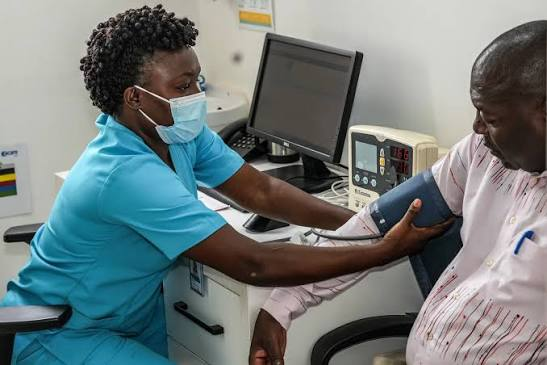
Health is one of the greatest blessings in life. A healthy person can enjoy life, work efficiently, and achieve their goals. Good health does not only mean being free from diseases; it also means having a healthy body, a peaceful mind, and a positive attitude.
To maintain good health, we should follow healthy habits in our daily lives. The first important habit is eating a balanced diet. We should eat fresh fruits, vegetables, whole grains, milk, and other nutritious foods. These foods provide our bodies with essential vitamins and minerals. We should avoid eating too much junk food, oily food, and sugary snacks because they can cause health problems.
Another important part of a healthy lifestyle is regular exercise. Walking, running, cycling, swimming, and playing outdoor games help keep our bodies strong and active. Exercise improves blood circulation, strengthens muscles, and keeps our hearts healthy. Even a short daily walk can make a big difference.
Sleep is also necessary for good health. Our bodies need enough rest to recover from daily activities. Children and adults should follow a proper sleeping routine. Lack of sleep can cause tiredness, stress, and difficulty concentrating. Therefore, we should avoid using mobile phones late at night and develop healthy sleeping habits.
Mental health is just as important as physical health. In today’s busy world, many people experience stress, anxiety, and sadness. We can protect our mental health by spending time with family, talking to friends, reading books, praying, and enjoying hobbies. Thinking positively and taking breaks can also help us feel relaxed and happy.
Personal hygiene plays an important role in preventing diseases. We should wash our hands before eating and after using the bathroom. Brushing our teeth twice a day, wearing clean clothes, and keeping our surroundings clean are simple habits that protect us from infections.
Drinking enough clean water is another essential habit. Water helps regulate body temperature, supports digestion, and keeps our bodies hydrated. We should drink water regularly throughout the day.
Finally, regular medical checkups help us understand our health and identify possible problems early. We should also follow medical advice and avoid taking medicines without proper guidance.
In conclusion, good health is the foundation of a happy and successful life. By eating nutritious food, exercising regularly, sleeping well, maintaining hygiene, and caring for our mental health, we can live a healthier life. We should remember that health is wealth, and taking care of it should always be our priority.
I approach orthopedic surgery from the perspective of an international patient care coordinator who has spent years helping people arrange joint replacement procedures, sports injury treatments, and complex orthopedic operations in Colombia. I have worked with patients who were struggling with knee arthritis, persistent hip pain, shoulder injuries, and spinal conditions that affected their everyday activities. Many initially contact me because they want access to specialist treatment without facing the same financial burden they expect in their home countries. I always encourage them to examine the medical team, hospital facilities, and recovery arrangements before making a decision.
Why Colombia Attracts International Orthopedic Patients
I frequently hear about Colombia from patients researching private medical treatment in South America. Cities such as Bogotá, Medellín, and Cali have established private healthcare facilities offering different orthopedic specialties. These cities also have international airports, accommodation options, and medical professionals who regularly work with patients from abroad. I find that the availability of specialist services in major urban centers makes Colombia an interesting destination for further investigation.
Medical expenses are another reason patients consider treatment there. I have spoken with people who received expensive estimates for knee or hip replacement surgery in their home countries and wanted to compare alternative treatment locations. Some private Colombian hospitals may offer lower prices, depending on the procedure, surgeon, implant, and accommodation requirements. I always remind patients that a lower initial quotation does not necessarily represent the complete cost of treatment.
Travel arrangements can also make a difference. Colombia has international connections through major airports, particularly in Bogotá and Medellín, which can simplify travel for patients arriving from several regions. However, I advise people to consider the physical demands of flying after orthopedic surgery. A convenient flight does not automatically mean that the patient is medically ready to travel.
Selecting the Right Orthopedic Surgeon and Hospital
I begin the selection process by examining the surgeon’s qualifications and specific area of practice. Orthopedics covers several disciplines, including joint reconstruction, trauma surgery, sports medicine, spine surgery, and pediatric orthopedics. A specialist who regularly performs total knee replacements may have a different professional background from someone who focuses on complex shoulder reconstruction. I want the surgeon’s experience to match the actual condition being treated.
For initial research, I recommend reviewing Orthopedic surgery in Colombia to learn about available procedures and medical travel arrangements. I use resources like this to understand the treatment options patients may wish to investigate before contacting individual providers. I would still verify the surgeon’s credentials and the hospital’s capabilities independently. A direct medical consultation remains necessary before deciding whether an operation is appropriate.
I also examine the hospital where the surgery will take place. A suitable facility should have properly equipped operating rooms, qualified anesthesia professionals, diagnostic imaging, and access to emergency medical services. For major procedures, I ask about infection prevention, blood clot prevention, and postoperative monitoring. These details matter because orthopedic surgery often requires more than a technically successful operation.
Hospital accreditation can provide useful background information during my research. Some Colombian healthcare facilities hold national or international accreditations, although I never treat accreditation as a guarantee of individual surgical outcomes. I also ask whether the surgeon has regular operating privileges at the proposed hospital. Patients deserve to know where their procedure will happen and which medical professionals will be responsible for their care.
Orthopedic Procedures Available in Colombia
Knee replacement is one of the most frequently discussed orthopedic procedures among international patients. People with advanced osteoarthritis may experience pain while walking, difficulty climbing stairs, and stiffness after sitting for extended periods. During total knee replacement, the surgeon removes damaged joint surfaces and replaces them with artificial components. I encourage patients to discuss implant selection, alignment, expected mobility, and rehabilitation before agreeing to surgery.
Hip replacement is another important treatment option. It may be recommended for patients with severe arthritis, certain fractures, or other conditions that have damaged the hip joint. The operation involves replacing the damaged joint surfaces with artificial components designed to support movement. I would ask the surgeon about implant materials, surgical approach, expected recovery, and any restrictions that may apply during the first few weeks.
Colombia also offers orthopedic procedures for sports-related injuries. These may include anterior cruciate ligament reconstruction, meniscus repair, shoulder arthroscopy, and rotator cuff surgery. I have encountered patients who wanted to return to recreational sports after years of dealing with recurring joint problems. I explain that the recovery schedule depends on the specific injury, the procedure performed, and the patient’s rehabilitation progress.
Spinal surgery requires careful evaluation because back and neck symptoms can have several different causes. Depending on the diagnosis, treatment may involve disc surgery, spinal decompression, or spinal fusion. I always encourage patients to obtain a clear explanation of their imaging results and discuss conservative treatment options before considering an operation. Surgery should address a well-defined medical problem rather than simply respond to persistent discomfort.
Comparing Bogotá, Medellín, and Cali for Treatment
I often see Bogotá included in medical travel research because it is Colombia’s capital and has a substantial network of private hospitals and specialist services. Its larger healthcare environment can provide access to different orthopedic disciplines and diagnostic facilities. However, Bogotá’s elevation is something I would discuss with patients who have respiratory or cardiovascular concerns. Their treating physician should determine whether any special travel or recovery precautions are necessary.
Medellín is another city I encourage patients to investigate. It has established private medical facilities and a range of accommodation options that may be useful during a longer treatment stay. Some patients appreciate its transportation infrastructure and the availability of services in central areas. I still recommend evaluating the individual hospital rather than choosing the city based on general popularity.
Cali also has private healthcare providers and orthopedic specialists serving local and international patients. Depending on the required procedure, patients may find suitable medical teams there. I would compare the surgeon’s experience, hospital facilities, and postoperative services with options available in other Colombian cities. The best location is the one that meets the patient’s specific clinical requirements.
Preparing Medical Records Before Traveling
I prefer patients to organize their medical information before making travel arrangements. Recent X-rays, MRI scans, laboratory results, previous surgical reports, and medication lists can help the Colombian specialist understand the medical history. These records may also help determine whether additional investigations will be needed after arrival. I recommend keeping digital copies and carrying essential documents during the journey.
A detailed medical history is particularly important for patients with existing health conditions. Diabetes, heart disease, high blood pressure, previous blood clots, and certain bone conditions can influence surgical planning. Patients should disclose prescription medicines, supplements, and allergies during their consultation. Any changes to regular medication should be directed by the treating medical professionals.
I also recommend asking for a written treatment proposal before confirming surgery. The document should explain the diagnosis, proposed procedure, expected hospital stay, implant requirements, and estimated recovery schedule. If the recommendation involves an extensive operation, I would consider obtaining an independent medical opinion. This is especially useful when patients are considering major joint reconstruction or spinal surgery.
Recovery and Physiotherapy After Surgery
I consider rehabilitation a central part of orthopedic treatment. Following knee or hip replacement, patients may begin assisted movement relatively soon after surgery if their medical condition allows it. Early physiotherapy often focuses on safe transfers, controlled exercises, and gradually increasing walking ability. The treating surgeon and rehabilitation team should determine the appropriate starting point.
Recovery takes patience. Some patients regain basic independence within several weeks, while improvements in strength, balance, and endurance may continue for several months. I discourage patients from comparing their progress with someone who underwent a different operation. The patient’s age, general health, surgical technique, and preoperative mobility can all influence recovery.
I recommend arranging physiotherapy before traveling to Colombia. Some hospitals provide rehabilitation during the initial recovery period, but patients may need continued treatment after returning home. A written rehabilitation plan should explain exercise restrictions, weight-bearing instructions, and the expected progression of activities. I would also make sure the local physiotherapist receives the surgical report and relevant medical instructions.
Patients should know which symptoms require medical attention. Increasing pain, fever, wound drainage, unusual swelling, or sudden changes in mobility should be reported to the treating team. Chest pain, sudden breathlessness, or fainting requires emergency assessment because these symptoms may indicate a serious complication. I always want patients to have clear contact information before leaving the hospital.
Understanding the Financial Side of Orthopedic Surgery
I prefer reviewing complete treatment estimates rather than comparing advertised surgical prices. A quotation may include the surgeon’s fee and hospital stay but exclude implants, anesthesia, diagnostic imaging, medication, or rehabilitation. Additional procedures such as bone grafting can also affect the final amount. I ask patients to obtain an itemized breakdown before paying a deposit.
Implant costs deserve particular attention in joint replacement surgery. Different manufacturers and implant designs may have different prices, and the surgeon should explain why a particular product is appropriate. Patients should request the manufacturer’s name and implant identification information for their records. This information can help another orthopedic specialist provide future care if the patient moves or returns home.
Travel expenses should be calculated separately. International flights, hotel accommodation, meals, local transportation, and the cost of a companion can add several thousand dollars to a longer medical trip. Patients should also allow some financial flexibility in case recovery takes longer than expected. I would avoid planning a return journey that leaves no room for medical changes.
Insurance is another area I investigate before recommending a medical travel arrangement. Some policies exclude elective surgery performed abroad, while others may provide limited coverage under specific conditions. I advise patients to obtain written confirmation about surgical treatment, emergency care, and complications. Ordinary travel insurance should not be assumed to cover problems connected with planned medical procedures.
Planning Long-Term Care After Returning Home
I believe the medical relationship should continue after the patient leaves Colombia. Orthopedic implants may require long-term monitoring, and patients sometimes need additional imaging or specialist assessments as they recover. Before departure, I recommend collecting the operative report, discharge summary, imaging records, medication instructions, and implant details. These documents make it easier for a local healthcare provider to understand the treatment already performed.
I also ask patients to confirm how postoperative questions will be handled from another country. Some hospitals provide remote consultations, while others expect patients to arrange follow-up through a local physician. The exact arrangement should be confirmed before surgery. Patients should understand who to contact if they develop unexpected pain or another concern after returning home.
For major procedures, I would also discuss the possibility of additional treatment. Complications are not inevitable, but infection, blood clots, implant problems, and delayed healing can occur after orthopedic surgery. A patient should understand the hospital’s approach to managing these situations and the financial responsibilities involved. Clear arrangements are particularly valuable when treatment takes place far from home.
I see Colombia as a destination worth investigating for patients who need specialized orthopedic treatment and are considering medical care abroad. However, I would never choose a hospital simply because it offers an attractive price or an impressive international patient package. I would first confirm the surgeon’s experience, understand the proposed operation, and arrange rehabilitation and follow-up care. A successful medical journey requires careful planning before surgery and continued professional support throughout recovery.